

Views: 0 Author: Site Editor Publish Time: 2025-11-25 Origin: Site
In the world of manufacturing and production, efficiency, accuracy, and cost-effectiveness are paramount. One of the key pieces of equipment that can significantly influence these factors is the unwinding cutting machine. Whether you're in the packaging, textile, automotive, or electronics industry, selecting the right unwinding cutting machine can drastically improve your production line, reduce waste, and increase overall output. This article will guide you through the factors to consider when choosing the perfect unwinding cutting machine for optimal performance.
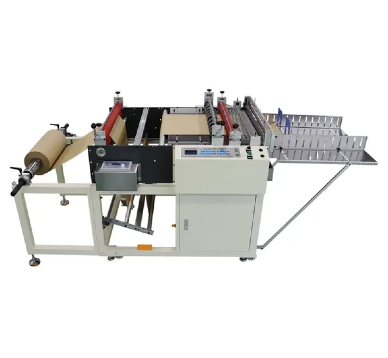
An unwinding cutting machine is an industrial tool designed to process large rolls of materials—such as paper, film, fabric, or foil—by unwinding them and cutting them into smaller, more manageable sizes. This process is crucial for industries that require precise cutting, such as the packaging, textile, automotive, and electronics sectors.
These machines are equipped with two main components: the unwinding system, which feeds the material from the large roll, and the cutting mechanism, which slices the material into specified dimensions. Unwinding cutting machines are commonly used in high-volume production settings where speed and precision are critical.
Before delving into the specifics of choosing the right unwinding cutting machine, it's essential to understand the primary advantages that these machines bring to the production process:
Unwinding cutting machines are engineered for high precision. Whether it's paper, plastic film, fabric, or any other material, these machines ensure that each cut is uniform and accurate. This is particularly crucial in industries like packaging and textiles, where dimensional accuracy directly impacts product quality and customer satisfaction.
Manual unwinding and cutting are time-consuming and prone to errors. Unwinding cutting machines automate these processes, allowing materials to be fed, unwound, and cut quickly and consistently. This increased efficiency can reduce production time, allowing for higher throughput and faster product delivery.
By ensuring accurate cuts and precise unwinding, these machines help reduce material waste. This is particularly beneficial for industries that work with expensive or limited materials, as it maximizes the usage of each roll and minimizes scrap.
Unwinding cutting machines are versatile and can handle a variety of materials, from paper and films to textiles and non-woven fabrics. This makes them ideal for industries that require flexibility in processing different types of materials, ensuring that manufacturers can meet the needs of a diverse range of products.
Automating the unwinding and cutting process also improves workplace safety. Manual cutting and unwinding involve several risks, including sharp tools, material handling issues, and repetitive motions. With an unwinding cutting machine, operators can perform tasks with greater safety and less physical strain.
Selecting the right unwinding cutting machine for your specific needs is crucial to ensure optimal performance. Here are the key factors to consider when making your decision:
Different materials require different cutting mechanisms. Some machines are designed to handle paper rolls, while others may be better suited for plastics, textiles, or non-woven fabrics. The type of material you process will influence the machine's design and cutting capabilities.
Paper or Cardboard: Machines designed for paper or cardboard cutting need sharp blades and a strong feeding system to handle the material without tearing or wrinkling.
Plastic Films and Foils: If you’re working with plastic materials, look for unwinding cutting machines equipped with specialized cutters that can handle the thickness and flexibility of the material without causing distortion.
Textiles or Fabrics: For fabric processing, the machine should have a cutting mechanism that ensures clean edges without fraying. In addition, tension control is important for materials like fabric, as it helps prevent stretching or damage.
Cutting accuracy is crucial for industries like packaging and electronics, where dimensions must be met to ensure the correct fit and functionality of the final product. Before choosing a machine, ensure that the machine can provide the level of precision required for your materials.
Some machines offer adjustable cutting lengths, while others can perform multiple cuts with high consistency. If your production requires complex cuts or specific tolerances, make sure the machine offers fine adjustments to meet your specifications.
The speed of an unwinding cutting machine is another important factor to consider, particularly in high-volume production environments. Faster cutting speeds can increase overall throughput, reducing production time and improving cost-efficiency.
However, speed shouldn’t come at the cost of precision. The ideal machine should be able to handle your desired cutting speeds without sacrificing cutting quality or material integrity. Look for a machine with variable speed control to adjust the cutting speed based on the material type and production requirements.
Automation plays a significant role in optimizing production lines. Modern unwinding cutting machines come with advanced automation systems that allow for fully automated feeding, unwinding, and cutting processes. These machines often feature PLC control panels for easy operation and programming.
Additionally, many unwinding cutting machines have sensor-based systems that can detect and adjust material tension automatically, ensuring smooth material feeding and precise cuts. When selecting a machine, ensure that it has the level of automation required for your production process.
Unwinding cutting machines come in various sizes and configurations, depending on the materials being processed and the scale of production. It's important to consider the physical space available in your factory or production area.
Ensure that the machine you choose fits within your production layout and provides easy access for maintenance and operation. You’ll also need to consider the roll diameter and machine capacity—some machines are designed for smaller rolls, while others can handle large industrial-sized rolls.
A machine that is easy to maintain is essential for minimizing downtime and ensuring long-term performance. Choose a machine that offers easy access to components for cleaning, adjustments, and repairs.
Look for machines with modular components that are easy to replace or service, as well as self-diagnostic features that can help identify potential issues before they become major problems.
Energy consumption is an important consideration, especially for businesses looking to reduce operational costs and minimize their environmental impact. Look for unwinding cutting machines that offer energy-saving features, such as low power consumption or the ability to operate at variable speeds depending on workload.
Many machines are now designed to meet international energy efficiency standards, which can help you reduce both energy costs and your company’s carbon footprint.
Choosing the right unwinding cutting machine is critical for businesses that require precision, speed, and reliability in their material processing. By carefully evaluating the material types, cutting precision, automation features, and maintenance requirements, you can ensure that the machine you select will provide the optimal performance for your business.
Investing in the right unwinding cutting machine can lead to significant improvements in productivity, quality, and cost-efficiency, allowing you to stay competitive in the market.
For companies looking for high-performance unwinding cutting machines, HDK Automation Equipment Co., Ltd. offers a range of state-of-the-art solutions that cater to various industries. With advanced technology, precision, and reliability, their machines are designed to meet the diverse needs of manufacturers looking to streamline their production processes.
