

Views: 0 Author: Site Editor Publish Time: 2026-01-27 Origin: Site
Looking for the right paper cutting machine? It’s crucial for small businesses to have the right tool for precise and efficient paper cutting. In this article, we’ll explore the top 10 paper cutting machines that can help streamline your operations.
You’ll learn about different types of machines, from high-volume to precise cutters, and how they can benefit your business.
For small businesses, precision is the most important factor when choosing a paper cutting machine. Accurate cuts are essential for delivering high-quality products, whether in packaging, labels, or other applications. Machines equipped with servo-controlled or PLC-based systems offer consistent precision, helping to maintain uniformity across all cuts. This is particularly crucial for industries like printing and packaging, where product consistency directly impacts brand reputation.
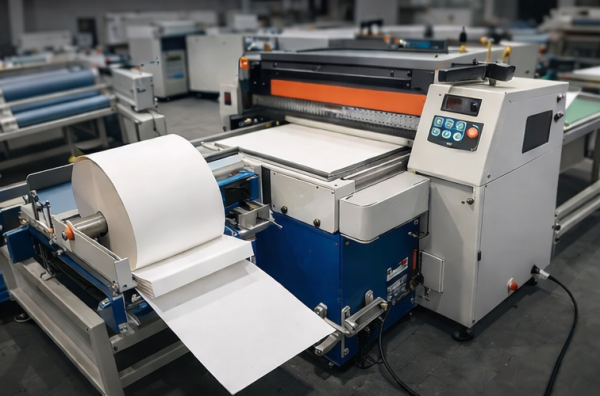
Key factors contributing to precision and cut quality:
● High-precision blades: Ensures clean, accurate cuts every time.
● Adjustable settings: Allows customization for different paper thicknesses and types.
● Automatic calibration: Maintains consistent cutting performance.
When selecting a paper cutting machine for a small business, ease of use and safety should not be overlooked. A machine with an intuitive interface and simple controls reduces the learning curve and enhances operator efficiency. In small business environments, where multiple people may use the machine, simplicity and safety are essential to prevent accidents and ensure smooth operation.
Key features to look for in terms of ease of use and safety:
Feature | Benefit |
Blade guards | Prevent accidental contact with sharp edges |
Emergency stop button | Allows immediate shutdown in case of danger |
Visual indicators | Clear displays for operational status |
Small businesses rely on equipment that can withstand frequent use without constant repairs. A durable paper cutting machine with low-maintenance features saves both time and money. Machines built with high-quality materials, such as robust steel or composite parts, tend to have longer lifespans, ensuring continuous operation and fewer disruptions.
Key aspects of durability and maintenance:
● Heavy-duty construction: Ensures the machine can handle frequent use.
● Low-maintenance design: Reduces the need for frequent repairs and servicing.
● Long-lasting performance: Helps businesses maintain productivity over time.
Table: Benefits of Durability and Low Maintenance
The workflow of a small business depends on how efficiently tasks are completed. Paper cutting machines that offer high precision, ease of use, and minimal maintenance help streamline production processes. Features like automatic paper feeding and adjustable speed control can dramatically increase throughput, allowing small businesses to complete more tasks in less time, which directly impacts productivity.
Key benefits to workflow efficiency:
● Speed control: Customizes cutting speed for different tasks.
● Automatic paper feeding: Reduces manual handling and improves throughput.
● Consistency: Ensures uniform results for all cuts, avoiding rework.
In a small business, both material waste and downtime can lead to significant losses. A paper cutting machine with high-precision cuts helps reduce waste by ensuring that every sheet of paper is used efficiently. Additionally, low-maintenance machines that require fewer repairs contribute to reduced downtime, ensuring that the business operates smoothly without delays.
Key factors in reducing waste and downtime:
● Precision cutting: Minimizes material waste and ensures exact measurements.
● Low-maintenance design: Reduces the frequency of repairs and maintenance-related downtime.
● Efficient workflow: Less time spent on re-cutting and adjusting settings.
Table: Benefits to Reducing Waste and Downtime
Benefit | Explanation |
Higher yield per sheet | Fewer materials are discarded |
Increased production capacity | More cuts are made in less time |
Fewer repairs needed | Increased uptime and reliability |
Paper cutting machines come in a variety of types, each suited for specific business needs. Small businesses can choose from manual, electric, and specialty cutters depending on the scale and type of work they do. Each machine offers unique features that cater to different production requirements.
● Manual Paper Cutters: These are cost-effective, simple machines ideal for small-scale operations. They require manual operation, which may involve pulling a lever or pressing a button to make the cut. While slower, they are often used for precision tasks and small batches, making them a good choice for businesses with limited cutting needs.
● Electric Paper Cutters: Offering greater speed and efficiency, electric cutters are automated machines designed for larger workloads. These machines typically come with adjustable settings, allowing businesses to cut multiple sheets at once, saving time and increasing productivity. Electric models are often equipped with safety features and user-friendly controls.
● Specialty Paper Cutters: These machines are designed for specific applications, such as HDK Automation Equipment Co., Ltd.'s roll-to-sheet cutting machines, which are ideal for cutting large rolls of material into precise sheets. Other specialty cutters can handle materials like nonwoven fabrics, plastic films, and even laminate, offering versatility for industries like packaging, textiles, and printing.
When choosing a paper cutting machine, small businesses need to consider several factors to ensure the machine meets their needs while staying within budget.
● Price: Budget is often a key consideration for small businesses. Manual cutters are typically more affordable but may lack the speed and automation features of electric machines. Electric cutters, while more expensive, offer greater efficiency and are better suited for businesses with higher production volumes. Specialty cutters, which cater to specific industries, can be a larger investment but provide the functionality required for those industries.
● Performance: The machine’s cutting precision and speed are vital to ensuring high-quality production. High-performance machines, such as those with servo motors or PLC automation, can offer better cutting accuracy and faster processing times. Performance also includes the durability and reliability of the machine, which affects overall productivity.
● Application Suitability: Businesses must select a machine that suits their specific cutting needs. For example, companies in the packaging or printing industry may require a cutter capable of handling thicker materials or larger volumes, while smaller craft businesses may only need a precision trimmer for detailed cuts. Understanding material types, required sheet sizes, and cutting volume is key to making the right choice.
Table: Comparison of Paper Cutting Machines for Small Businesses
Machine Type | Ideal For | Price Range | Performance Benefits |
Manual Paper Cutters | Small-scale, precise jobs | Low | Accuracy and simplicity |
Electric Paper Cutters | High-volume work | Medium | Speed and automation, consistent cuts |
Specialty Paper Cutters | Specific industries | High | Versatility with various materials |
Guillotine paper cutting machines are ideal for high-volume cutting tasks, especially when businesses need to process large stacks of paper quickly and efficiently. These machines use a large, flat blade to cut through multiple sheets of paper at once, making them perfect for environments with heavy workloads, such as print shops, packaging companies, and large-scale manufacturers.
Guillotine cutters are known for their speed and precision. They allow businesses to cut large volumes of paper quickly, which is essential for meeting tight deadlines and maintaining high productivity levels. The cutting accuracy ensures that each sheet is consistently trimmed to the desired size, which is crucial for maintaining product quality in large production runs.
Key benefits of guillotine paper cutting machines:
● High cutting capacity: Can handle large stacks of paper, reducing the need for multiple passes.
● Consistent cuts: Maintains precision, ensuring uniformity across all materials.
● Speed: Cuts multiple sheets in one operation, increasing overall efficiency.
Table: Guillotine Paper Cutting Machines vs Other Cutters
Feature | Guillotine Paper Cutter | Rotary or Die Cutters |
Cutting Capacity | High (Multiple sheets) | Moderate (One sheet at a time) |
Speed | Fast, ideal for large batches | Slower, more suited for smaller runs |
Precision | High for large volumes | Excellent for detailed work |
Best Use | High-volume work in large-scale operations | Small-scale and precision tasks |
HDK Automation Equipment Co., Ltd. offers advanced roll-to-sheet cutting machines that are well-suited for high-volume work, especially in industries that require consistent, high-quality cuts. These machines integrate servo-controlled systems and PLC automation, enhancing cutting speed and ensuring accuracy even under heavy use.
High-volume cutters like these are indispensable for businesses that need to produce large quantities of materials quickly while maintaining consistent quality. Their advanced control systems allow users to fine-tune settings for optimal performance, making them highly versatile across various industries.
For smaller, craft-based businesses, rotary trimmers and die cutters are the go-to machines due to their precision and versatility. These machines are perfect for applications that require intricate, detailed cuts, such as card making, scrapbooking, and custom packaging. Rotary trimmers, in particular, are known for their ability to cut clean edges without the tearing that sometimes occurs with other cutting methods.
Die cutters are also ideal for businesses that produce shapes or designs from paper or other thin materials. They use pre-made dies to cut specific shapes, making them highly effective for custom projects that require complex designs or repetitive cuts.
Key benefits of rotary trimmers and die cutters:
● Precision: Ideal for detailed and intricate cuts, especially for small projects.
● Versatility: Can handle various materials such as paper, card stock, and thin plastics.
● Compact design: Suitable for small workspace environments.
List of Advantages of Rotary Trimmers
● Smooth, clean cuts: Reduces the risk of frayed or torn edges.
● Low maintenance: Requires less upkeep than larger, more complex machines.
● Compact: Easy to store in small work areas.
For businesses that require high levels of precision, HDK Automation Equipment Co., Ltd. offers customizable cutting solutions for intricate designs. These machines can be tailored to suit specific cutting needs, allowing businesses to achieve the desired precision for delicate materials, whether for custom packaging, arts and crafts, or small print jobs.
These machines also offer flexible cutting options, such as variable cut depths and speeds, making them perfect for businesses that handle a variety of materials or need to produce small batches with custom specifications.
List of Key Features for Precision Machines
● Customizable settings: Allows for specific adjustments based on material and design.
● Accurate cutting: Ensures clean edges for complex designs and shapes.
● Multiple material compatibility: Works with paper, fabric, and thin plastics, ideal for diverse crafting needs.
Smaller businesses benefit from rotary trimmers and die cutters due to their ability to offer customization and versatility in production runs. These machines allow craft businesses to produce unique, high-quality products with precision, even when dealing with small quantities. Furthermore, their compact size and ease of use make them ideal for businesses with limited space or staff.
By offering flexibility in the types of materials and designs that can be cut, rotary trimmers and die cutters enable small businesses to cater to niche markets, which is often a key factor in differentiating their products in a competitive market.
Table: Comparison of Cutting Machines for Small Businesses
Machine Type | Best For | Speed | Precision | Versatility |
Rotary Trimmers | Detailed cuts, small runs | Moderate | High | High |
Die Cutters | Custom shapes and designs | Moderate | High | High |
Roll-to-Sheet Cutters | High-volume, large-scale cutting | High | Moderate | Moderate |
For small businesses just starting, finding an affordable paper cutting machine that meets both budget and production needs is crucial. Entry-level paper cutters are designed to be cost-effective while still providing the precision and functionality necessary for smaller operations. These machines are typically manual or electric, and they offer varying levels of efficiency and ease of use.
● Manual Paper Cutters: These cutters are often the most affordable option. They are simple to use and require no electricity, making them ideal for small-scale operations or businesses with low-volume cutting needs. While slower than electric models, manual cutters are perfect for precision cutting of a few sheets at a time, such as for crafting or packaging small batches.
● Electric Paper Cutters: For startups that anticipate handling higher volumes of paper, electric cutters provide a good balance between cost and performance. These machines offer automation that speeds up the cutting process, saving time and improving productivity without a significant increase in cost. They are typically more suitable for businesses that need to cut more than just a few sheets of paper at once, providing consistent cuts for moderate-volume tasks.
HDK Automation Equipment Co., Ltd. offers affordable, high-precision paper cutting machines that are ideal for startups looking for cost-efficient solutions. Their roll-to-sheet cutting machines are designed to handle a variety of materials, ensuring that businesses can scale their operations without investing in high-end, expensive equipment.
These machines combine affordability with advanced features such as servo-controlled systems and PLC automation, making them an excellent option for startups that need both precision and efficiency without compromising on quality. The machines are designed to be easy to use, with minimal setup required, ensuring that even small teams can operate them effectively from day one.
Table: Entry-Level vs Electric Paper Cutting Machines
Feature | Manual Paper Cutter | Electric Paper Cutter |
Cost | Low | Moderate |
Cutting Speed | Slow | Fast |
Ideal Use | Small batches, precision cuts | Moderate-volume cutting |
Ease of Use | Simple, manual operation | Automated, easy to operate |
Maintenance | Low | Low |
When selecting a paper cutting machine, it's crucial to understand the balance between volume and precision. Depending on your business's needs, you may prioritize speed for high-volume cutting or accuracy for detailed work. Identifying these needs early helps you choose the right machine for your production goals.
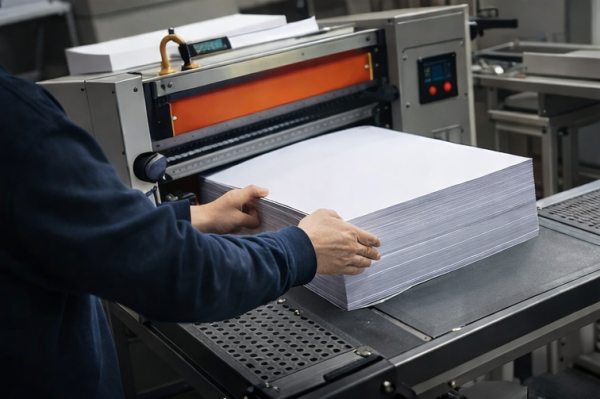
● High-volume cutting: Ideal for businesses with large production requirements, such as printing houses or packaging manufacturers. High-volume machines are designed to cut multiple sheets at once, offering speed and efficiency.
● Precision cutting: Best for small businesses focusing on custom or intricate tasks, such as craft shops or specialty packaging businesses. These machines provide fine adjustments for accuracy, allowing for detailed cuts and designs.
Table: Comparing Volume and Precision Cutting Machines
Feature | High-Volume Cutters | Precision Cutters |
Best Use | Bulk production | Small batches, intricate designs |
Cutting Capacity | Large stacks of paper at once | One sheet at a time |
Speed | Fast, ideal for large operations | Moderate, slower for detailed work |
Precision | Moderate, focused on speed | High, focused on fine details |
For businesses that focus on large-scale production, high-volume cutters are essential. For those emphasizing precision and detail, precision cutters are the best choice. By understanding your production needs, you can make an informed decision on the machine type that will serve you best.
Safety is a top concern for any small business when selecting a paper cutting machine. These machines often involve sharp blades and fast-moving parts, so ensuring that safety features are in place is crucial to protecting workers and maintaining smooth operations.
Key Safety Features to Look For:
● Blade safety mechanisms: Ensures that the cutting blade is enclosed or shielded, reducing the risk of accidental cuts.
● Protective covers: Covers around the blade and cutting mechanism help prevent injury, particularly in high-speed settings.
● Emergency stop buttons: An essential safety feature that allows operators to halt the machine immediately in case of an emergency.
List of Essential Safety Features for Paper Cutting Machines
● Blade guards: Prevent accidental contact with the sharp cutting edge.
● Emergency stop button: Allows operators to stop the machine quickly if needed.
● Safety sensors: Detects potential hazards and stops the machine automatically.
● Protective covers: Shields the cutting mechanism from accidental access.
Table: Safety Features and Their Benefits
Safety Feature | Benefit |
Blade guards | Prevents injuries from direct contact with the blade |
Emergency stop button | Provides quick shutdown during emergencies, preventing serious accidents |
Safety sensors | Automatically halts the machine if a hazard is detected |
Protective covers | Prolongs the life of the machine and keeps operators safe from moving parts |
Not only do safety features protect workers, but they also contribute to the long-term performance of the paper cutting machine. Machines with safety mechanisms tend to be more reliable and durable, as they are less likely to experience wear and tear caused by mishandling or accidents. Additionally, safer machines reduce downtime, as there are fewer instances of operational failures or accidents.
By investing in a machine with comprehensive safety features, small businesses can improve operational efficiency and extend the lifespan of their equipment.
Choosing the right paper cutting machine is essential for your small business. Whether you need high-volume cutters or precision machines, the right choice can improve efficiency and product quality. HDK Automation Equipment Co., Ltd. offers solutions that provide high precision and performance, tailored to meet small business needs. Their machines help businesses enhance productivity while maintaining cost-effectiveness and reliability.
A: A paper cutting machine is essential for efficiently cutting large volumes of paper into precise sizes. It is commonly used in packaging, printing, and manufacturing industries to improve productivity and accuracy in cutting tasks.
A: When selecting a paper cutting machine, consider factors like cutting volume, precision, material type, and production speed. High-volume machines are ideal for bulk tasks, while precision cutters are suited for smaller, detailed work.
A: A paper cutting machine reduces labor costs, increases speed, and enhances cutting accuracy. It ensures consistent results, improving overall production efficiency and reducing waste in the process.
A: Regular maintenance includes checking and replacing blades, lubricating moving parts, and ensuring safety mechanisms are functioning. Proper care extends the machine's lifespan and minimizes downtime in production.
