

Views: 0 Author: Site Editor Publish Time: 2026-02-05 Origin: Site
In modern packaging factories, choosing the right Bag Making Machines directly influences production stability, product consistency, and long-term competitiveness. Different plastic bags serve different markets, so machines are classified by bag structure and sealing method rather than appearance alone. This approach reflects real manufacturing logic used across the industry. In this article, you will learn the main types of plastic bag making machines, how they differ in structure and function, and how each type supports specific bag formats, production volumes, and commercial applications.
A bottom seal Bag Making Machine forms bags by sealing the film at the bottom edge while keeping the sides folded. This structure distributes weight evenly and improves load performance. During production, the film feeds continuously, then heat sealing and cutting occur at controlled intervals. This method ensures consistent seal strength across long runs. It works well with thicker films and recycled materials. Manufacturers rely on it when durability and sealing stability matter more than visual appearance.
Bottom seal machines support many bag formats used across daily life and industry. Typical outputs include garbage bags, industrial liners, produce bags on roll, and vest-style shopping bags. The sealing method allows flexible length control, supporting both small and large bags. Many factories add drawtape or perforation modules to the same Bag Making Machine. This flexibility helps expand product lines without replacing core equipment, making the machine a long-term production asset.
Several industries depend heavily on bottom seal bag production due to strength and volume needs. Waste management uses it for household and commercial garbage bags. Retail relies on it for high-volume shopping bags. Agriculture and food distribution use it for liners and produce bags. These sectors value stable sealing and fast cycles. A bottom seal Bag Making Machine supports multi-lane production, increasing output while controlling labor costs.
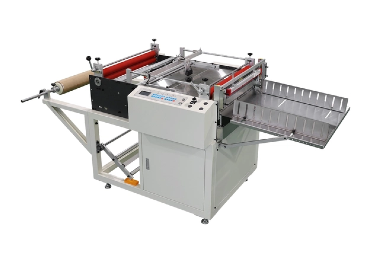
A side seal Bag Making Machine seals film along the vertical sides rather than the bottom. This design produces flat bags with clean edges and smooth surfaces. The folded bottom remains seamless, improving transparency and shelf appearance. Stress spreads evenly across the bag body, supporting lightweight packaging. This structure suits applications where presentation and precision matter. It also supports high-speed operation for large retail orders.
In retail and logistics packaging, side seal structures are widely used for their clean appearance and precise sealing edges. Different products place distinct demands on materials, sealing performance, and added functions. Side seal bag making machines meet these needs through modular design, allowing one production line to serve multiple applications efficiently.
| Product Type | Typical Applications | Common Materials | Bag Structure & Features | Optional Integrated Modules | Key Technical Parameters (Reference Ranges) | Production Considerations |
|---|---|---|---|---|---|---|
| OPP Garment Bags | Apparel retail, garment storage | BOPP / OPP | Side-sealed or three-side sealed, folded bottom, wrinkle-free | Hanging hole punch, adhesive strip | Film thickness: 20–40 μm Output speed: 120–250 bags/min Sealing temperature: 130–160 °C | Requires precise web tension control to prevent film stretching or wrinkles |
| Stationery Packaging Bags | Office supplies, e-commerce sorting | OPP / CPP | Flat side-seal bags, standardized dimensions | Hanging hole, tear line | Film thickness: 25–50 μm Length tolerance: ±1 mm Seal width: 6–10 mm | Cutting and sealing synchronization is critical to avoid rough edges |
| Clear Retail Display Bags | Supermarkets, promotional displays | OPP / LDPE | High-clarity side-seal bags | Self-adhesive flap, easy-open notch | Film thickness: 30–60 μm Optical haze: ≤3% (to be verified) | Adhesive placement must remain consistent to protect the display area |
| Courier Side-Seal Mailers | E-commerce shipping, document delivery | LDPE / multilayer films | Side-sealed structure with folded back panel | Hot-melt adhesive, tear strip | Film thickness: 50–80 μm Peel strength: ≥8 N/25 mm (to be verified) | Adhesive temperature stability directly affects sealing reliability |
| Food Flat Pouches | Dry food, snacks, ingredients | CPP / laminated films | Three-side or side-sealed flat pouches | Zipper, tear notch | Film thickness: 40–70 μm Seal strength: ≥15 N/15 mm (to be verified) | Requires stable sealing parameters and food-grade material compliance |
Tip:When configuring a side seal Bag Making Machine, start with material type and required functional modules. This ensures long-term sealing consistency and stable output, rather than focusing only on maximum machine speed.
Material handling is a key strength of side seal machines. They process OPP, CPP, LDPE, and laminated films with stable tension control. These materials require precise heat and alignment to avoid distortion. A side seal Bag Making Machine delivers clean seals and consistent dimensions. This capability supports printed and multi-layer films. For brands focused on appearance, it helps maintain packaging quality across large batches.
A modern T-shirt Bag Making Machine is engineered as a synchronized system rather than separate processes. Film feeding, bottom sealing, cutting, and handle punching are driven by a unified control logic, usually servo-based. This synchronization ensures that sealing pressure, cutting position, and punch timing remain consistent at high speeds. The integrated design reduces cumulative tolerance errors that often occur in multi-step workflows. As a result, bag dimensions stay uniform across long production runs, which is critical for automated packing and retail standardization.
Grocery and takeaway operations prioritize speed, reliability, and cost control. T-shirt bags offer a simple structure with efficient material usage while maintaining sufficient load capacity for daily goods. A T-shirt Bag Making Machine is optimized for this exact balance, enabling continuous, high-volume output with minimal variation. Its ability to run thin HDPE films at stable speeds supports low unit costs. For retailers, this means fast checkout packing and predictable supply, reinforcing why this machine type remains dominant in food-related retail sectors.
Automation significantly enhances production stability in T-shirt bag manufacturing. Servo-driven length control keeps bag size consistent even at high speeds. Multi-line configurations allow several bags to be produced simultaneously from a single film web, multiplying output without expanding floor space. An automated Bag Making Machine also minimizes operator intervention, reducing human error and fatigue-related variation. These factors improve yield consistency and scheduling reliability, allowing factories to respond quickly to demand spikes while maintaining steady quality across large batches.
A bag-on-roll Bag Making Machine uses synchronized perforation and winding systems to maintain roll integrity at high speeds. Perforation depth and spacing are precisely controlled so bags tear cleanly without separating during rewinding. Tension-regulated winding ensures uniform roll density, preventing telescoping or loose layers. Coreless rewinding further reduces material waste and simplifies end-user handling. This technical coordination allows continuous production without frequent stops, which is essential for maintaining stable output in high-consumption packaging environments.
Bag-on-roll machines support multiple bag formats by adjusting sealing length, perforation pitch, and roll diameter. Garbage bags typically use thicker films and wider perforation spacing, while produce and freezer bags require thinner films and shorter tear intervals. A flexible Bag Making Machine accommodates these variations without mechanical redesign. When combined with bottom seal or star seal units, manufacturers can produce both flat and leak-resistant bags, enabling efficient diversification within a single production line.
Bag-on-roll systems are ideal where rapid bag access and space efficiency are priorities. In retail produce sections, rolls allow customers to dispense bags quickly without staff assistance. Industrial cleaning operations benefit from compact storage and fast replacement during routine tasks. The Bag Making Machine supports these scenarios by delivering consistent roll quality and uninterrupted output. This reliability reduces downtime, streamlines workflows, and supports predictable supply in high-usage environments.
Resealable packaging places higher demands on sealing accuracy, material handling, and functional consistency. Zipper bag making machines address these needs by integrating zipper insertion directly into the bag forming process, enabling repeatable opening and closing while maintaining reliable seals across high-volume production runs.
| Application Segment | Typical Products | Common Film Materials | Zipper Type | Bag Structure | Key Technical Parameters (Reference Ranges) | Production Notes |
|---|---|---|---|---|---|---|
| Food Storage Bags | Sandwich, freezer, household storage | LDPE / LLDPE | Press-to-close zipper | Side-seal or bottom-seal flat bags | Film thickness: 40–70 μm Zipper width: 10–20 mm Sealing temperature: 140–180 °C | Zipper sealing temperature must match film melt range to avoid weak bonds |
| Frozen Food Packaging | Frozen vegetables, meat portions | LDPE / laminated PE | Press zipper or low-temp zipper | Three-side seal flat pouches | Film thickness: 60–90 μm Seal strength: ≥15 N/15 mm (to be verified) Line speed: 80–180 bags/min | Low-temperature performance of zipper material is critical |
| Dry Food & Snack Bags | Nuts, grains, confectionery | CPP / PE laminates | Standard press zipper | Three-side or side-seal bags | Film thickness: 50–80 μm Zipper positioning tolerance: ±1 mm | Accurate zipper alignment ensures consistent opening force |
| Specialty Retail Packaging | Cosmetics, accessories, hardware | OPP / PE laminates | Slider zipper or press zipper | Flat or gusseted bags | Film thickness: 40–80 μm Slider insertion speed: ≤120 bags/min | Slider units require stable feeding to prevent misplacement |
| Premium Resealable Pouches | Pet food, supplements | Multi-layer laminates | Heavy-duty press or slider zipper | Gusseted or stand-up pouches | Film thickness: 80–120 μm Zipper weld strength: ≥20 N/15 mm (to be verified) | Higher laminate stiffness requires stronger zipper weld settings |
Tip:When selecting a zipper Bag Making Machine, confirm that the zipper profile and sealing system are compatible with both the base film and the intended storage conditions, especially for frozen or moisture-sensitive products.
Courier bag machines produce mailing bags with adhesive flaps and tamper features. These bags protect goods during transport. The Bag Making Machine combines sealing, cutting, and glue application in one line. Growth in e-commerce drives steady demand for this format. Manufacturers benefit from standardized specifications and repeat orders, supporting stable production planning.
Handle and wicketer machines add functional or presentation features to bags. Patch handles improve carrying comfort. Wicket systems support automated filling lines. A specialized Bag Making Machine increases product value without changing core materials. This approach helps brands differentiate while keeping production efficient. It also supports niche markets like bakery and apparel packaging.
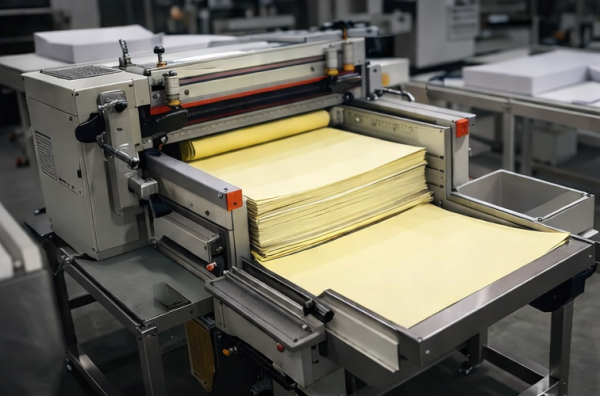
Bag structure defines how stress distributes across a bag, which directly influences machine design requirements. Bottom seal structures concentrate load at the base, requiring higher sealing pressure and stable heat control. Side seal structures emphasize edge precision and visual clarity, demanding accurate alignment systems. T-shirt structures combine sealing with punching accuracy. When manufacturers begin selection from structural behavior rather than end use, they align machine mechanics with physical performance needs, reducing trial adjustments and shortening commissioning time.
Production volume determines whether speed, lane count, or automation should be prioritized. Multi-line configurations multiply output by processing several bag tracks simultaneously, making them suitable for high-volume commodities. Single-line systems offer greater flexibility for size changes and shorter runs. Automation level affects cycle consistency and operator load. Matching expected output rates with machine design helps stabilize production planning and avoids inefficiencies caused by overcapacity or frequent changeovers.
Modern bag making machines are engineered as modular platforms rather than fixed systems. Core functions handle sealing and cutting, while optional modules add product differentiation. Planning upgrades in advance ensures mechanical compatibility and control system scalability. This approach allows gradual capacity or feature expansion without disrupting existing production. A well-chosen core machine supports long-term adaptability, enabling manufacturers to respond to market shifts while maintaining operational continuity.
Understanding the main types of plastic bag making machines helps manufacturers make clearer and faster equipment decisions. Classifying machines by sealing structure remains the most reliable approach, as each Bag Making Machine type supports specific bag formats, materials, and production volumes. When machine selection aligns with real production needs, factories achieve stable output and long-term efficiency. HDK Automation Equipment Co., Ltd. provides advanced bag making solutions with flexible configurations and reliable performance, helping customers improve productivity, expand product ranges, and build sustainable, competitive packaging operations.
A: Bag Making Machines include bottom seal, side seal, T-shirt, bag-on-roll, and specialty configurations.
A: Bag Making Machines use bottom or side sealing, which defines bag strength, appearance, and applications.
A: Bag Making Machines match structure with load, speed, and material needs, improving production efficiency.
A: Bag Making Machines like T-shirt and bag-on-roll systems support fast, continuous retail output.
A: Bag Making Machines should match bag type, volume, and future expansion plans for stable performance.
