

Views: 0 Author: Site Editor Publish Time: 2026-02-03 Origin: Site
Have you ever wondered why your paper cutting machine isn’t performing at its best? Proper maintenance is the key to ensuring smooth operation and extending the life of your equipment.
In this article, we will explore how to effectively maintain a paper cutting machine, from regular cleaning routines to advanced care techniques. You’ll learn simple yet crucial tips to keep your machine running efficiently and minimize costly repairs.
Regular cleaning of the paper cutting machine surface is crucial for ensuring its optimal performance. Dust, paper scraps, and adhesive residues tend to accumulate during the cutting process. If not cleaned regularly, these residues can hinder machine performance, leading to suboptimal cuts or malfunctions.
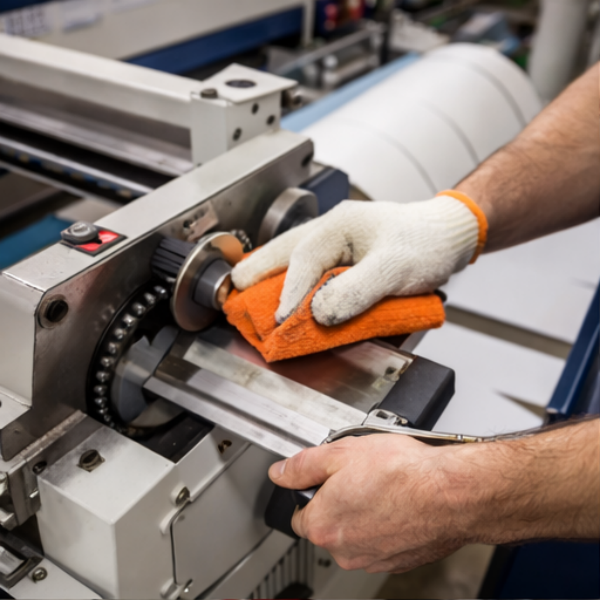
Steps for Wiping Down the Surface:
1. Use a dry, soft cloth or an anti-static cloth to wipe down the work surface daily.
2. Focus on removing visible dust and paper scraps.
3. Clean around the edges and corners where particles tend to gather.
By keeping the surface clean, you reduce the risk of materials sticking, ensuring a smooth cutting operation and preventing any interference with the quality of cuts.
Many parts of a paper cutting machine, such as the gear teeth, between the blades, and around the motor, can accumulate debris that is difficult to reach. Ignoring these areas can lead to mechanical issues or degraded cutting precision. It is important to address these areas regularly to maintain the machine’s longevity and performance.
Cleaning Hard-to-Reach Areas:
● Compressed Air: Blow air through tight spots to remove dust and debris.
● Soft Brush: Use a small, soft brush to dislodge particles from gears and moving components.
● Vacuum: If available, use a vacuum cleaner with a narrow nozzle for precision cleaning.
By cleaning these components, you prevent dust from interfering with delicate parts, which can lead to jams or mechanical failures.
Keeping your paper cutting machine clean does more than improve the cutting quality—it extends the life of your machine. Dust and grime buildup can cause friction between moving parts, which accelerates wear and tear. This can result in frequent maintenance issues and, over time, costly repairs.
Benefits of Regular Cleaning:
Benefit | Impact |
Improved Cutting Accuracy | Clean machines prevent material buildup that interferes with precision. |
Reduced Wear and Tear | Regular cleaning reduces friction, preventing premature wear of parts. |
Prolonged Machine Life | Clean components operate efficiently, reducing the frequency of repairs. |
Prevention of Jams | A clean machine is less likely to experience jams, which increases uptime. |
Proper lubrication is critical for ensuring the smooth operation and longevity of a paper cutting machine. Moving parts, such as gears, bearings, and hinges, experience constant friction during operation. Over time, this friction can lead to excessive wear and tear, resulting in decreased efficiency and potential mechanical failure. To avoid this, it’s essential to apply the correct amount of lubrication regularly, following the manufacturer's recommendations.
Steps for Lubricating Moving Parts:
1. Identify the parts that require lubrication (gears, bearings, hinges).
2. Use the manufacturer-recommended oil or lubricant.
3. Apply the lubricant evenly, ensuring that all moving parts are adequately covered.
4. Wipe off any excess oil to prevent it from attracting dust or debris.
Consistent and proper lubrication reduces friction, minimizing the risk of premature wear and ensuring that the machine operates at peak efficiency.
While lubrication is essential, over-lubrication can create problems of its own. Excess oil or grease can accumulate dust, dirt, and paper scraps, leading to a buildup that can interfere with machine operation. It can also attract contaminants that damage the machine's internal components.
Potential Issues with Over-Lubrication:
● Attraction of dust and debris that may clog moving parts.
● Reduced cutting precision due to contaminants affecting machine components.
● Stains on the paper or materials being cut due to excess oil transfer.
To avoid these issues, always follow the manufacturer’s lubrication guidelines and wipe off any excess oil after application. This helps maintain a clean and efficient machine environment.
Some paper cutting machines feature coolant systems that help regulate temperature during operation. These systems are particularly important for machines that generate a significant amount of heat, such as those used for heavy-duty cutting tasks. Regular maintenance of the coolant system is essential to prevent overheating, which could lead to motor failure or other mechanical issues.
Coolant System Maintenance:
● Check for contamination: Ensure the coolant is free from dust, dirt, and metal particles that could degrade the system's effectiveness.
● Replace coolant regularly: Follow the manufacturer’s recommendations for fluid replacement intervals to ensure optimal machine performance.
● Monitor fluid levels: Check the coolant fluid levels frequently to ensure the system is functioning correctly.
By maintaining the coolant system, you help prevent overheating and ensure the longevity of both the machine and its components.
Lubrication and Coolant Maintenance | Impact on Machine Performance |
Correct Lubrication | Reduces friction and prevents premature wear. |
Excess Lubrication | Can attract debris and impair machine function. |
Regular Coolant Checks | Prevents overheating and keeps the system working efficiently. |
Regularly inspecting the blades of a paper cutting machine is essential for ensuring precise cuts and preventing undue wear on the machine. Over time, blades naturally lose their sharpness due to constant contact with the material being cut. Dull blades not only produce subpar cuts but also require more pressure, which can strain the machine's motor and reduce its overall efficiency. It’s recommended to perform blade checks after extended periods of use, particularly if you notice any changes in cutting performance.
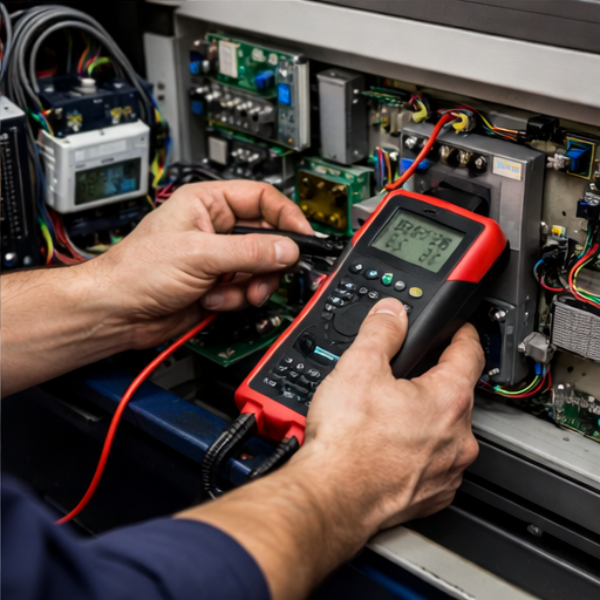
Steps for Blade Inspection:
1. Examine the blade for any signs of dullness, nicks, or chips.
2. Check for even wear across the cutting edge, ensuring there are no irregularities.
3. If the blade appears dull or damaged, plan to sharpen or replace it promptly to maintain cutting accuracy.
Proper blade alignment is crucial for maintaining the precision of cuts and the overall efficiency of your paper cutting machine. Misaligned blades can result in uneven cuts, causing the material to be processed incorrectly and potentially leading to higher waste rates. It’s essential to check and adjust the blade alignment periodically, especially if you notice inconsistencies in the cut quality.
Tips for Proper Blade Alignment:
● Always ensure the blade is parallel to the cutting surface, making necessary adjustments as per the machine's manual.
● Check both vertical and horizontal alignments to ensure the blade is perfectly aligned with the rails and cutting bed.
● Misalignment can also cause uneven wear on the machine’s components, so timely adjustments can help prevent long-term damage.
When blades are not in use, proper storage is essential to prevent rusting and deterioration. Exposure to moisture, air, and other contaminants can cause the blade to rust, making it less effective and shortening its lifespan. Additionally, improper storage can lead to the development of chips or bends, further affecting cutting precision.
Best Practices for Storing Blades:
● Clean and dry the blades thoroughly before storing them to remove any moisture or debris.
● Store blades in a dry, cool area to avoid rust formation. Use protective cases or covers to prevent physical damage.
● Apply a light coating of acid-free oil to the blade’s surface to protect it from oxidation when storing for extended periods.
An effective maintenance schedule for paper cutting machines depends largely on the machine's usage frequency. A machine used regularly in high-volume settings requires more frequent checks compared to one used occasionally. Proper maintenance ensures that the cutting machine operates at optimal performance, preventing potential failures that could disrupt production.
Suggested Maintenance Intervals:
● Daily Checks: Essential for high-usage environments to inspect and clean the work surface, remove debris, and check for any immediate issues like misalignment.
● Weekly Checks: Includes lubricating moving parts, inspecting the blade for sharpness, and checking the machine's overall performance.
● Monthly Checks: A more in-depth inspection that includes reviewing all parts for wear and tear, ensuring the coolant systems (if any) are functioning, and verifying the alignment of components.
Tailoring your schedule to the machine’s usage ensures that every part is regularly maintained, helping prevent breakdowns.
For businesses that rely on paper cutting machines for high-volume production, regular, more intensive maintenance is necessary. Machines in such environments experience greater wear and tear and need more frequent attention to maintain precision and prevent downtime.
Tips for High-Use Environments:
1. Increase the frequency of blade sharpening to maintain clean and precise cuts.
2. Use a dedicated cleaning schedule for internal components like gears and motorized parts to prevent dust buildup that could impair performance.
3. Implement more regular inspections of moving parts, as these machines are more likely to experience wear and need lubrication adjustments.
Customizing the maintenance schedule to reflect the demands of the business can significantly extend the lifespan of the machine while maintaining the quality of cuts and reducing the risk of unexpected failures.
One effective way to monitor maintenance needs is by tracking machine hours. Many paper cutting machines come with counters that track how many hours the machine has been in operation. This data helps determine when maintenance should be performed, particularly for parts that wear down over time, such as blades and motors.
How to Use Machine Hour Monitoring:
● Set maintenance intervals based on machine hours rather than just time, as high-output machines may require maintenance more frequently.
● Regularly record the machine’s operational hours to ensure timely maintenance.
● Use this data to predict upcoming needs for part replacements or more extensive servicing.
By monitoring machine hours, you can stay ahead of potential issues and plan maintenance tasks efficiently, keeping the machine in optimal working condition.
Maintenance Type | Suggested Frequency | Purpose |
Daily Maintenance | Every day before operation | Surface cleaning, lubrication of moving parts, checks |
Weekly Maintenance | Once a week | Blade inspection, gear lubrication, system checks |
Monthly Maintenance | Once a month | In-depth inspection of all components and adjustments |
Creating a well-organized maintenance schedule for paper cutting machines based on usage, environment, and machine hours ensures that your machine stays in top condition, prolonging its life and maintaining high-quality cuts.
Monthly checkups are designed to address the routine maintenance tasks that ensure your paper cutting machine continues to operate smoothly on a day-to-day basis. These checks focus on maintaining the machine’s performance and preventing small issues from developing into larger, more costly problems. Monthly maintenance is essential for keeping the machine in good working order and preventing minor wear from escalating.
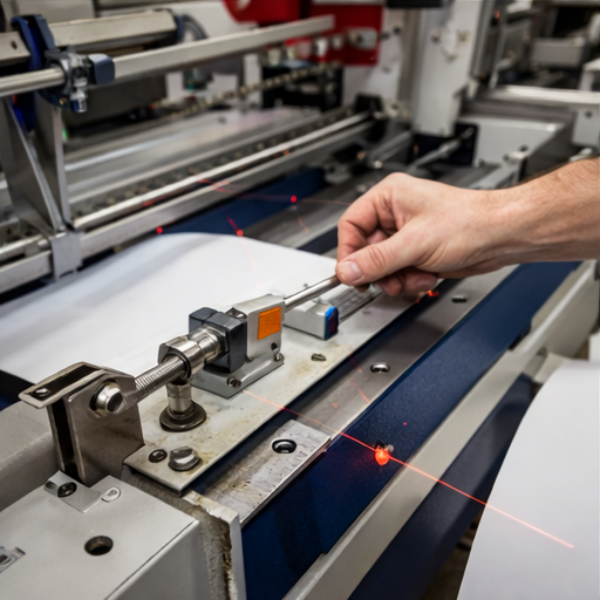
Key Monthly Maintenance Tasks:
1. Lubrication: Apply oil to the moving parts, such as gears, bearings, and hinges, to minimize friction and wear.
2. Blade Sharpening: Inspect the blades for sharpness. Regular sharpening is necessary to maintain precision and prevent the motor from straining due to dull blades.
3. Surface Cleaning: Remove dust, debris, and any material buildup from the work surface to ensure clean cuts and prevent any material interference.
By adhering to these monthly checks, you can maintain the cutting precision and efficiency of the machine.
Quarterly checkups are more comprehensive and involve in-depth inspections and calibrations. These checks are meant to identify any potential issues that may not be immediately noticeable during daily or monthly inspections. They focus on the overall health of the paper cutting machine, ensuring that it continues to perform at its best for an extended period.
Key Quarterly Maintenance Tasks:
1. Calibration: Check and adjust the machine’s settings, including cutting depth and speed, to ensure they remain within optimal specifications.
2. Electrical Component Inspection: Inspect electrical connections, cords, and switches for wear, damage, or potential issues that could cause malfunctions.
3. Alignment Checks: Verify the alignment of blades and cutting mechanisms to ensure precision. Misalignment can cause uneven cuts and unnecessary wear on the machine.
Quarterly checkups help catch issues before they result in downtime, helping you maintain consistent performance over time.
The primary difference between monthly and quarterly maintenance lies in the level of detail and focus. Monthly maintenance primarily involves routine tasks designed to maintain smooth operations, while quarterly checkups delve deeper into preventive measures that ensure the machine's longevity and accuracy.
Monthly Maintenance: Focuses on the basics of upkeep, ensuring the machine operates efficiently day-to-day.
Quarterly Maintenance: Addresses more complex tasks, preventing issues before they arise and ensuring the machine is properly calibrated and aligned.
By distinguishing between these two types of maintenance, you can optimize your paper cutting machine’s performance, prevent unexpected breakdowns, and extend its operational lifespan.
Regular maintenance is crucial for extending the lifespan and ensuring the efficiency of your paper cutting machine. Consistent care, such as proper lubrication, blade sharpening, and alignment, will prevent breakdowns and reduce repair costs. By following the manufacturer's guidelines, you can keep your machine running smoothly. HDK Automation Equipment Co., Ltd. provides advanced cutting machines designed for precision and durability, offering valuable solutions for businesses in various industries.
A: Regular maintenance ensures consistent cutting quality, reduces downtime, and extends the machine's lifespan, ultimately improving productivity and lowering repair costs.
A: It is recommended to perform daily, weekly, and monthly checks, focusing on lubrication, blade sharpness, and alignment, with more in-depth quarterly inspections.
A: Preventive maintenance reduces long-term repair costs, enhances machine efficiency, and minimizes unexpected downtime, leading to better overall cost management.
A: Well-maintained machines ensure accurate cuts, minimize waste, and operate more efficiently, helping businesses maintain high output and quality standards.
